This isn't a required form. It's here for people who want to understand their options in depth. If you'd rather hand me inspiration photos and trust my judgment, that's equally valid — this page just exists for the people who want to go deeper. Open a tray to see actual frames tagged with that exact option — the same tags applied to every image on upload. Screenshot whatever resonates and bring it to our planning call.
Two files. Two jobs.
RAW is the flat, unprocessed capture — every bit of sensor information, no color decisions baked in. It's not meant to look good on its own; it's the base a professional editor (or you) can transform into anything later. SOOC JPEG is the styled, ready-to-use version — shaped in-camera at the moment of capture, in whatever look is chosen below.
The choices below affect the JPEG only — the RAW stays untouched, except for in-camera effects (filters, prisms, vintage glass), which are physical and affect both files.
Your baseline color grade
Fujifilm built its name on decades of physical film stocks, and that color science is baked directly into the sensor — not a filter applied after the fact. A film simulation is choosing your stock before the shoot: Classic Chrome's desaturated, documentary punch; Velvia's saturated vividness; Astia's soft, flattering skin tones; Acros's deep, grain-true black and white. You pick one baseline recipe for the whole event — even black-and-white simulations still deliver full-color RAW files underneath, so you're never locked in long-term.
In-camera effects
Unlike film simulations, these are physical and optical — they change how light reaches the sensor, which means they affect the RAW file too, not just the JPEG.
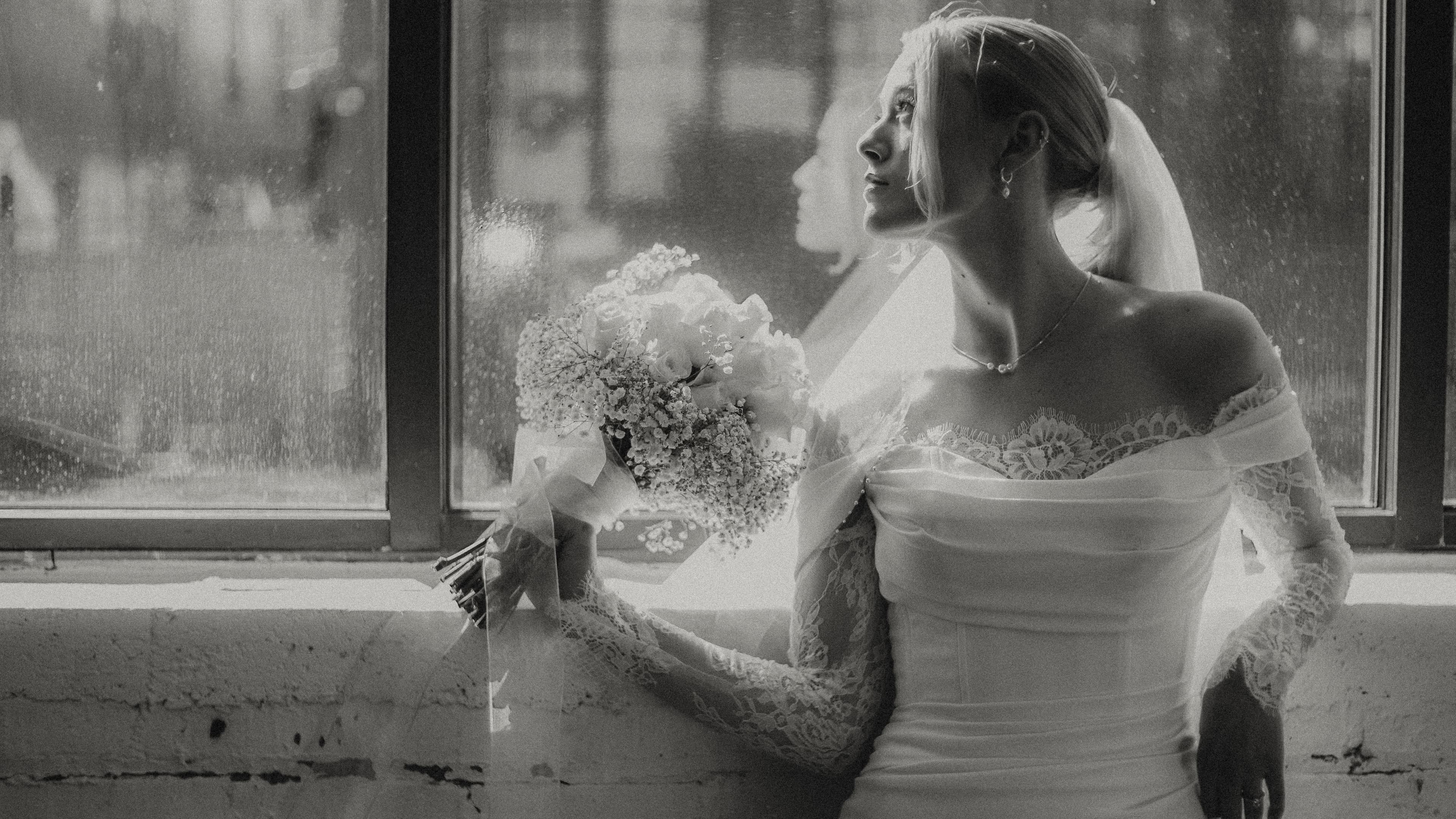
Filters (Diffusion)
Physical glass held or threaded in front of the lens, softening highlights into a warm, dreamlike glow before the sensor ever sees the light. Tag each frame below by exact filter.
Tag filters will appear here once example photos are tagged.
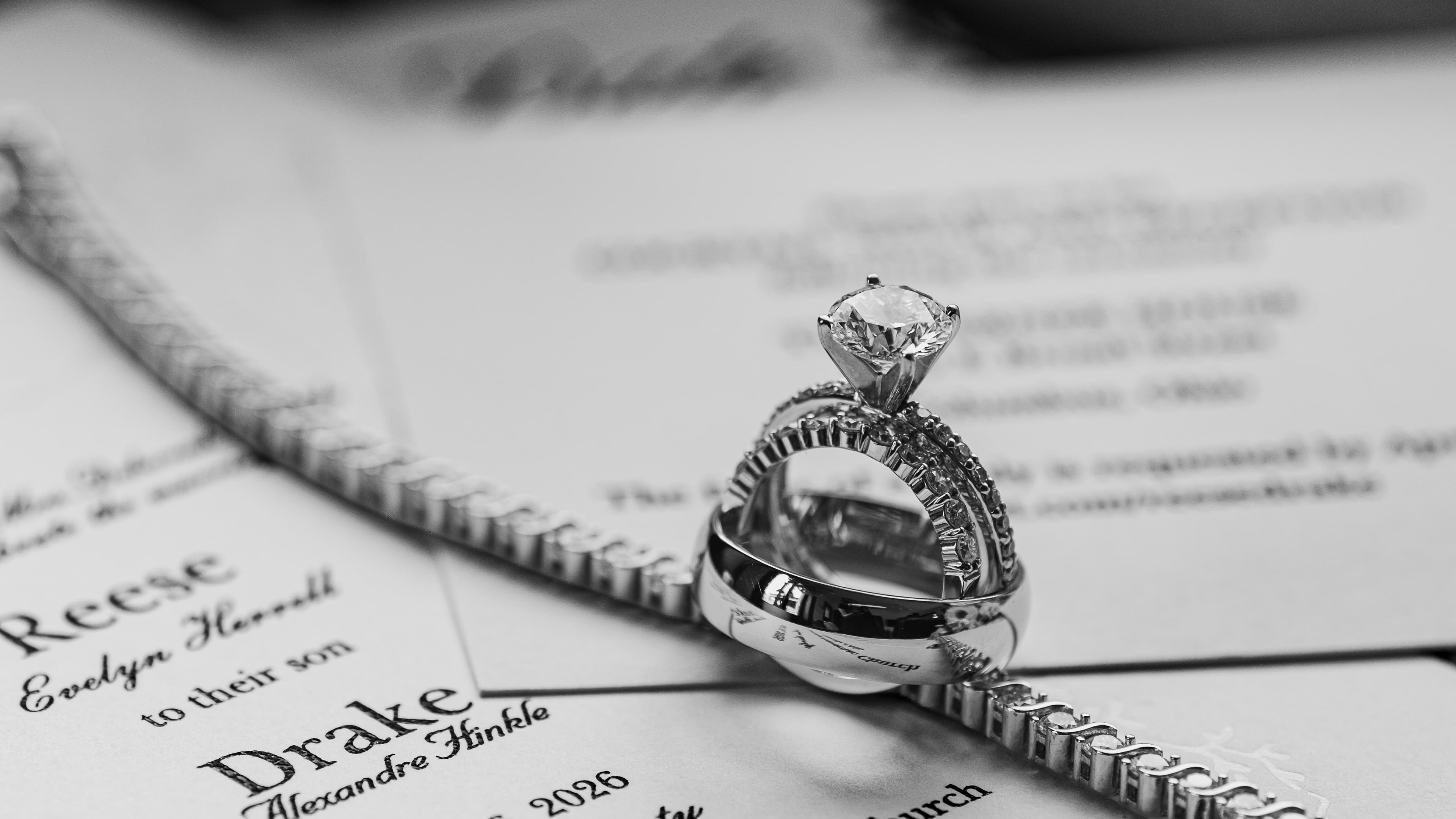
Refraction
Prisms and antique leaded-glass crystals, carried and held in front of the lens by hand — unpredictable, painterly light leaks and flares that no software preset replicates.
Tag filters will appear here once example photos are tagged.
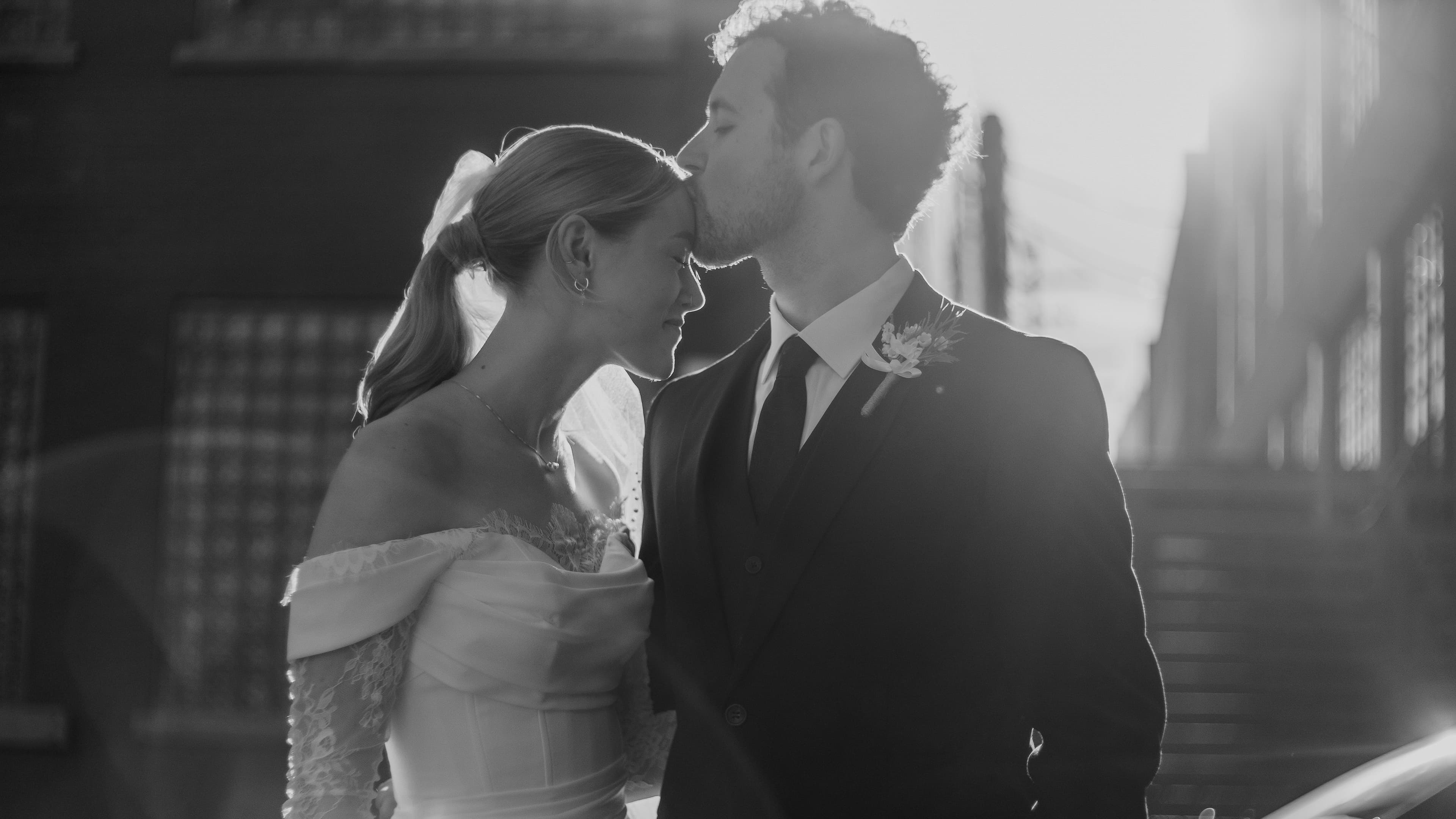
Adapted Vintage Glass
Manual-focus lenses from the 1960s–80s, adapted to the Fujifilm X-mount bodies — decades-old optical character, swirly bokeh and all, no modern lens replicates.
Tag filters will appear here once example photos are tagged.
Pick your vibe
Exposure choice, light source, and shutter speed together — this is where every mood on this page actually comes from, decided live at capture, not corrected afterward.
Natural Light & Shadow
Leaning into real shadow instead of filling it in — deep, moody silhouettes, window light carving across a face, contrast that reads as cinematic rather than corrected in post.
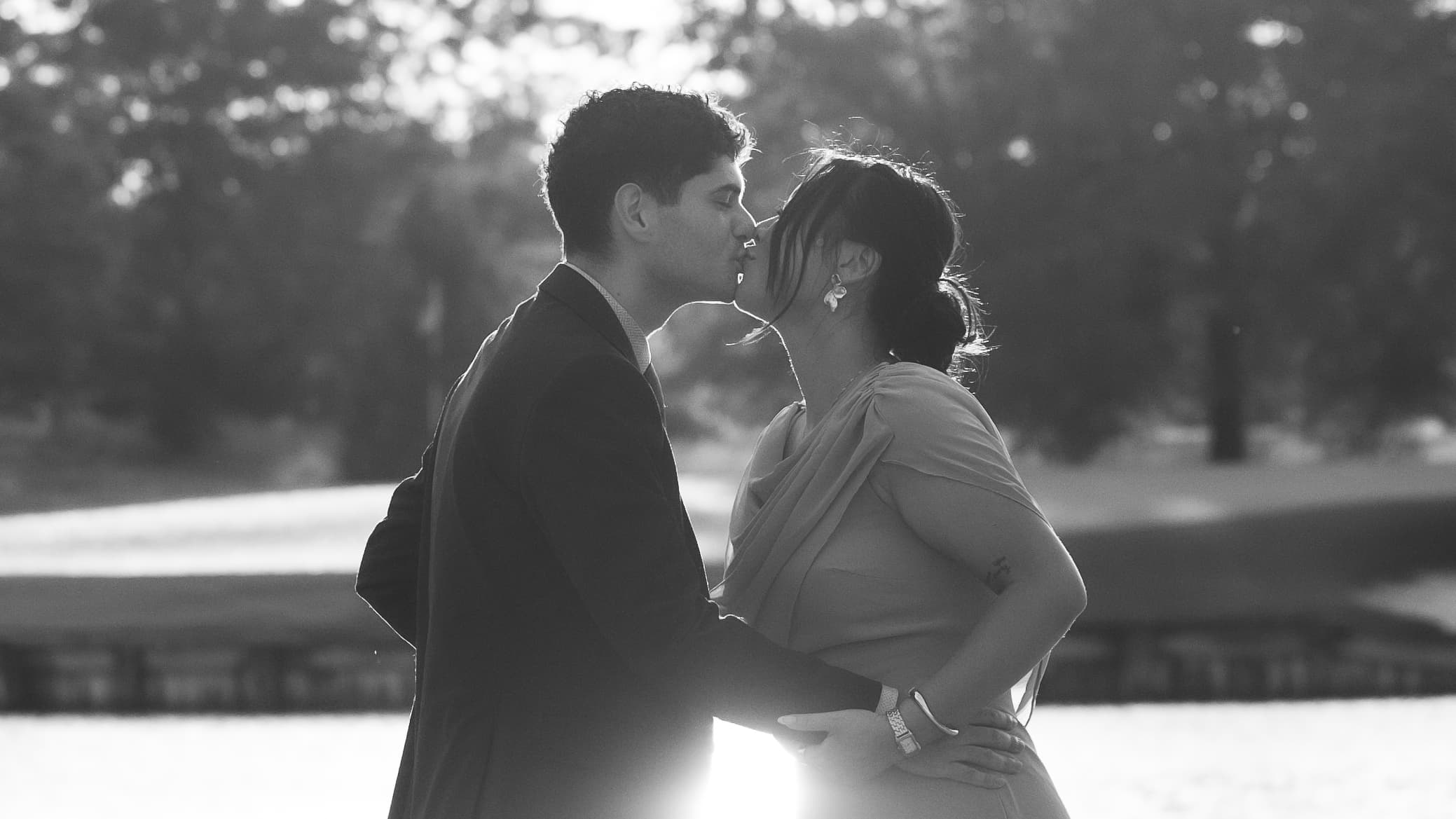
Artificial Light & Flash
The direct, harsh on-camera flash look — unapologetic and editorial when the room calls for it — alongside off-camera flash for a more sculpted, intentional artificial glow.
Motion & Drag
Slow shutter drag — a sharp flash-frozen subject over a trailing, blurred wash of ambient light and motion. Dance floors, sparkler exits, anything that needs to feel alive.
Tag filters will appear here once example photos are tagged.
Focal length, bokeh & aperture
Bokeh is the quality of the blur behind (and in front of) your subject — the pleasing, soft falloff that isolates a couple from a busy background. Wider apertures and longer focal lengths intensify it; wider lenses keep more of the scene in focus. Pick a range below to see it in practice.
Compatibility
- Vintage glass is manual focus — best for slower, deliberate moments, not fast documentary coverage.
- Prisms and refraction are unpredictable by design.
- Flash-restricted ceremonies limit "light and airy" exposure to whatever ambient light is present.
- Diffusion filters and direct flash don't mix well.
- Dark & moody exposure pairs naturally with muted or black-and-white simulations.
- Light & airy exposure pairs naturally with Classic Chrome.
- Mixed/harsh overhead light often requires exposure recovery in post.